Innhold
DroneDefender, a portable counter-drone system developed by Dedrone. Utilizing radio-frequency (RF) jamming, DroneDefender provides a non-kinetic method for neutralizing unmanned aerial threats, primarily commercial drones.
System Overview
-
Name: DroneDefender
-
Manufacturer: Dedrone
-
Country of Origin: United States
-
Type: RF jammer (electronic countermeasure)
-
Intended Use: Law enforcement, military, and critical infrastructure protection
Technical Specifications
- Detection Capabilities:
Integrated with Dedrone’s AI-driven detection and tracking software
-
Can be used with radar, radio-frequency sensors, and electro-optical systems
-
Neutralization Method:
Radio-frequency (RF) jamming disrupts drone communication and GPS signals
-
Forces drones to land or return to their point of origin
-
Effective Range:
Up to 2 km, depending on environmental conditions and drone type
- Mobility:
Man-portable (rifle-like design)
- Deployment Mode:
Handheld, battery-powered system
Operational Use & Effectiveness
- Known Deployments:
Used by U.S. and allied military forces, law enforcement, and government agencies
-
Deployed at high-security events, including U.S. presidential inaugurations
-
Combat/Field Testing History:
Successfully tested against commercial drones in real-world conditions
-
Used in counter-terrorism and border security operations
-
Effectiveness Against Various Drone Types:
Effective against most commercial and consumer drones
- Limited effectiveness against military-grade UAVs with encrypted communication
Notable Features & Advantages
- Key Strengths:
Non-destructive method for disabling drones
-
Silent operation without visible or audible detection
-
Unique Capabilities:
Disrupts multiple communication bands simultaneously (GPS, Wi-Fi, etc.)
-
Compact and easy to deploy in urban and field environments
-
Adaptability & Scalability:
Can be used as part of a larger counter-drone system with multiple sensors
Limitations & Challenges
- Known Weaknesses:
Not effective against drones with pre-programmed flight paths
-
Limited range compared to kinetic or directed energy solutions
-
Operational Constraints:
Requires trained operators for effective use
-
Battery life limits operational duration
-
Adversary Countermeasures:
Advanced drones may use frequency-hopping or encrypted communication to resist jamming
- Some UAVs may switch to autonomous operation if jamming is detected
Future Developments & Upgrades
- Planned Enhancements:
Research into increased range and frequency coverage
-
AI-driven adaptive jamming for enhanced effectiveness
-
Integration with Other Systems:
Compatible with Dedrone’s full counter-drone ecosystem
- Future Deployment Plans:
Expected to see continued expansion in military, law enforcement, and VIP protection roles
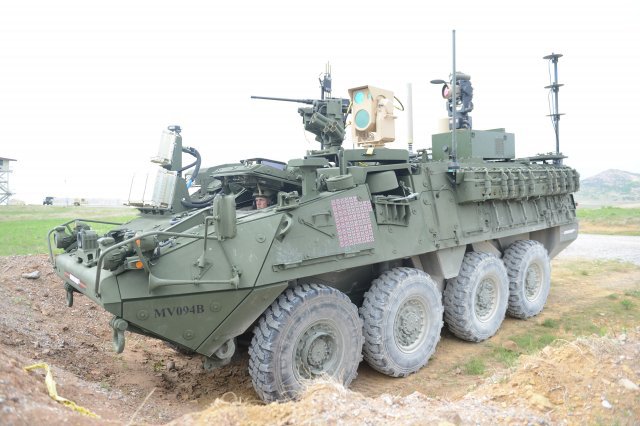
Image: U.S. Army photo by 55th Signal Company
AI-assisted article.